
Climbing PhysicalTherapy: Your Path to Stronger, Safer Climbing

If you love climbing, you know how demanding it can be on your body. Every reach, grip, and step challenges your muscles, tendons, and joints. Sometimes, that challenge leads to pain or injury. That’s where climbing recovery therapy comes in. It’s designed to help you bounce back faster, prevent setbacks, and climb stronger than before.
Whether you’re tackling boulders, sport routes, or outdoor crags, understanding how to care for your body after climbing is key. I want to share what I’ve learned about climbing physical therapy and how it can make a real difference in your climbing journey.
Why Climbing Physical Therapy Matters
Climbing is a full-body workout that stresses specific areas like your fingers, forearms, shoulders, and core. Over time, repetitive strain or sudden injuries can slow you down or even stop you from climbing altogether. Recovery focuses on healing those areas and restoring your full range of motion.
Here’s why it’s so important:
Prevents chronic injuries: Tendonitis, pulley tears, and shoulder impingements are common in climbers. Early therapy can stop these from becoming long-term problems.
Speeds up healing: Targeted exercises and treatments help your body repair faster.
Improves performance: Physical therapy doesn’t just fix injuries. It also strengthens weak spots and improves flexibility, so you climb better.
Builds body awareness: You learn how to listen to your body and avoid movements that cause harm.
If you’ve ever felt frustrated by nagging pain or slow progress, climbing physical therapy can be a game-changer.

What to Expect from Climbing Physical Therapy
When you start climbing recovery therapy, the first step is a thorough assessment. A skilled therapist will evaluate your movement patterns, strength, flexibility, and any pain points. This helps create a personalized plan tailored to your needs.
Typical components of climbing physical therapy include:
Manual therapy: Hands-on techniques to reduce muscle tension and improve joint mobility.
Targeted exercises: Strengthening and stretching routines focused on climbing-specific muscles.
Movement retraining: Teaching you safer and more efficient climbing techniques.
Education: Tips on injury prevention, warm-ups, and recovery strategies.
Progress tracking: Regular check-ins to adjust your plan as you improve.
The goal is to get you back to climbing safely and confidently, with a body that’s more resilient than before.
How Climbing Physical Therapy Helps You Climb Better
Physical therapy isn’t just about fixing injuries. It’s about optimizing your body for climbing. Here’s how it can help you climb better:
Stronger grip and finger health: Exercises focus on finger tendons and pulleys to prevent common climbing injuries.
Balanced shoulder strength: Therapy targets rotator cuff muscles to stabilize your shoulders and reduce pain.
Core stability: A strong core improves your balance and control on the wall.
Improved flexibility: Stretching routines increase your range of motion, making tricky moves easier.
Better endurance: Conditioning exercises help you climb longer without fatigue.
By addressing these areas, you’ll notice smoother movements, less pain, and more confidence on the rock.
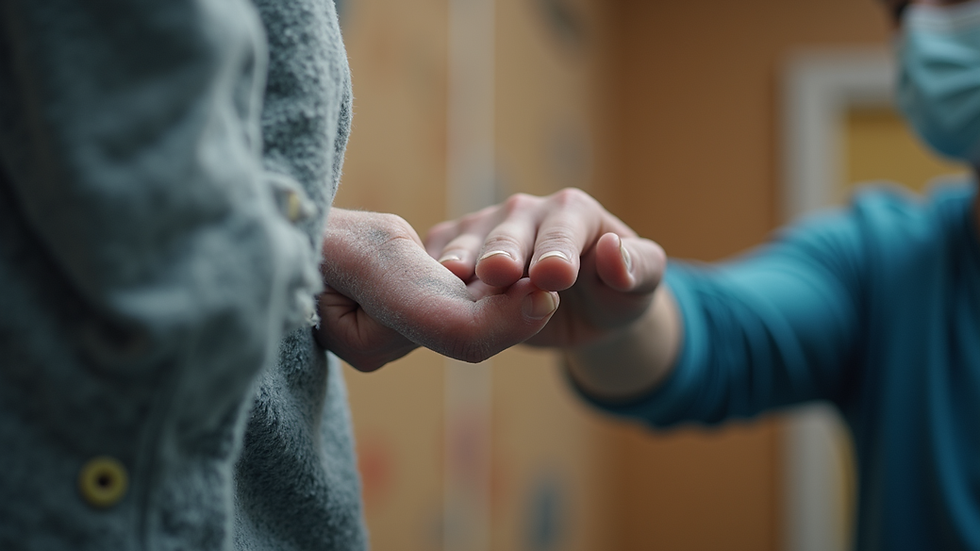
Finding the Right Climbing Physical Therapy in Tacoma
If you’re in Tacoma and looking for expert help, you want a clinic that understands climbing inside and out. A place that offers personalized, one-on-one care without the hassle of insurance limitations. That’s exactly what I found with Onsight PT.
Here’s what to look for when choosing a climbing physical therapist:
Specialized knowledge: They should know climbing injuries and training inside out.
Personalized care: Your therapy should be tailored to your unique body and goals.
Hands-on approach: Manual therapy and guided exercises are essential.
Clear communication: You want a therapist who explains things simply and listens carefully.
Don’t settle for generic physical therapy. Find a team that’s passionate about climbing and dedicated to helping you thrive.
Tips to Support Your Climbing Recovery at Home
Therapy sessions are just one part of recovery. What you do between visits matters a lot. Here are some practical tips to support your climbing recovery:
Warm up properly: Spend 10-15 minutes warming up your fingers, shoulders, and core before climbing.
Use ice and heat: Ice reduces inflammation after climbing, while heat relaxes tight muscles.
Stay hydrated and eat well: Proper nutrition fuels your body’s repair processes.
Practice gentle stretching: Focus on forearms, shoulders, and hips to maintain flexibility.
Listen to your body: If something hurts, don’t push through the pain.
Incorporate rest days: Your body needs time to heal and rebuild.
By following these tips, you’ll maximize the benefits of your climbing recovery therapy and reduce the risk of future injuries.
Moving Forward with Confidence and Strength
Climbing recovery therapy is more than just rehab. It’s a way to build a stronger, healthier body that can handle the demands of climbing and outdoor adventures. With the right support, you’ll recover faster, climb smarter, and enjoy every ascent with less worry.
If you’re ready to take your climbing to the next level and protect your body for years to come, consider reaching out to a specialized clinic like Onsight PT. Personalized care, expert guidance, and a focus on your unique needs can make all the difference.
Remember, your body is your most important climbing tool. Treat it well, and it will reward you with better performance and more fun on the rock.
Happy climbing and safe recovery!


Comments